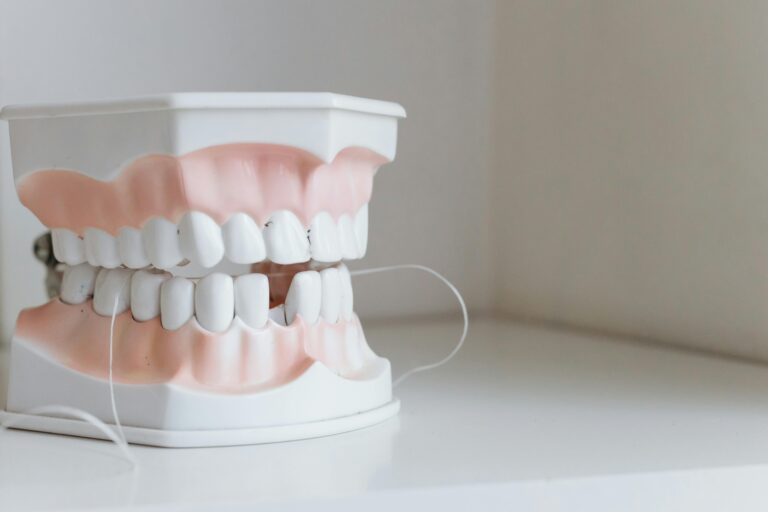
Tooth extraction is a common dental procedure that involves removing a tooth from its socket in the bone. While dentists strive to save natural teeth whenever possible, extractions are sometimes necessary for maintaining overall oral health. Whether it’s due to decay, infection, or overcrowding, tooth removal can prevent further complications and pave the way for a healthier smile.
When Is Tooth Extraction Necessary?
Tooth extractions may be required for several reasons, including:
Severe Tooth Decay – When a tooth is extensively decayed and cannot be restored with a filling or crown, extraction may be the only solution.
Gum Disease – Advanced periodontal disease can weaken the bone structure supporting the teeth, necessitating removal.
Impacted Wisdom Teeth – Wisdom teeth that don’t have enough space to emerge properly can cause pain, infections, and misalignment of other teeth.
Overcrowding – Some patients undergo extractions to make room for orthodontic treatment, ensuring proper teeth alignment.
Infections or Abscesses – If a tooth infection spreads to surrounding tissues and cannot be controlled with antibiotics or root canal therapy, extraction may be required.
Types of Tooth Extractions
Tooth extractions are categorized into two main types:
Simple Extraction – This is performed on a tooth that is visible above the gum line. The dentist uses a special tool to loosen and remove the tooth with minimal discomfort.
Surgical Extraction – If the tooth is impacted or broken below the gum line, a minor surgical procedure is required to remove it. This is commonly done for wisdom teeth.
What to Expect During the Procedure
The tooth extraction process typically follows these steps:
Examination & X-rays: Your dentist will assess the condition of the tooth and take X-rays to determine the best approach.
Anesthesia: Local anesthesia is administered to numb the area and ensure a pain-free experience.
Extraction: The dentist carefully removes the tooth using specialized instruments.
Stitches (if needed): In surgical extractions, stitches may be placed to aid healing.
Post-Extraction Care: A gauze pad is placed to control bleeding, and aftercare instructions are provided.
Recovery & Aftercare Tips
Proper post-extraction care ensures quick healing and minimizes complications. Follow these essential tips:
Bite on a gauze pad for 30-45 minutes to control bleeding.
Avoid rinsing or spitting forcefully for the first 24 hours to prevent dislodging the blood clot.
Apply ice packs to reduce swelling and discomfort.
Eat soft foods like yogurt, mashed potatoes, and soup for the first few days.
Avoid smoking, drinking through a straw, or consuming hot liquids to prevent dry socket.
Maintain oral hygiene by gently rinsing with warm saltwater after 24 hours.
When to See a Dentist Post-Extraction
While mild discomfort is normal after tooth extraction, you should contact your dentist if you experience:
Excessive bleeding that doesn’t stop after applying pressure
A healthy smile is more than just beautiful teeth—it’s a reflection of good oral hygiene. While brushing and flossing daily are essential habits, professional dental cleaning, also known as scaling, plays a vital role in maintaining your oral health. In this blog, we’ll explore what teeth scaling is, why it’s important, and how it benefits…
Missing teeth can affect not just your smile but also your ability to speak, eat, and feel confident. Fortunately, dental implants have emerged as a reliable, long-term solution that restores both function and aesthetics. Whether you’ve lost a tooth due to injury, decay, or age, dental implants offer a natural-looking and highly durable option. What…
A tooth extraction can be an overwhelming experience, be it a simple procedure or a surgical process. The idea of removing a tooth can cause a lot of stress. That is why it’s crucial to be well-prepared and informed before this procedure. In this post, you will get all the information you need before undergoing…
A confident smile can significantly impact your personal and professional life. If you are looking for the Best Braces & Invisalign Aligners in Gurgaon and Dwarka, Delhi, modern orthodontic treatments can help you achieve perfectly aligned teeth and improved oral health. Whether you are dealing with crowded teeth, gaps, bite problems, or misaligned teeth, advanced…
Tooth pain can be frustrating and overwhelming. Sometimes, it’s more than just a cavity—it might be a sign of a deeper problem inside the tooth. The good news? You don’t always need to remove the tooth. In many cases, a root canal treatment can save it and stop the pain. Let’s understand what RCT is,…
Introduction: Your Smile Deserves the Best Care A healthy smile is not just about aesthetics—it plays a crucial role in your overall well-being. Choosing the best dental clinic in Gurugram ensures that you receive expert care, advanced treatments, and long-lasting results. Whether you need routine cleaning or advanced cosmetic dentistry, modern dental clinics offer a…