
Root Canal Treatment: Everything You Need to Know About Saving Your Natural Teeth
Introduction
When it comes to dental health, one of the most commonly feared procedures is the root canal treatment. However, modern dentistry has transformed this once-dreaded procedure into a safe, effective, and relatively painless solution for saving infected or damaged teeth.
If you are experiencing tooth pain or have been advised to undergo a root canal, this comprehensive guide will help you understand everything—from symptoms and procedure to cost, benefits, and aftercare.
This article is SEO-optimized with high-ranking keywords like root canal treatment, RCT procedure, tooth infection treatment, root canal cost, painless root canal, and more—making it perfect for search engine visibility.
What is Root Canal Treatment?
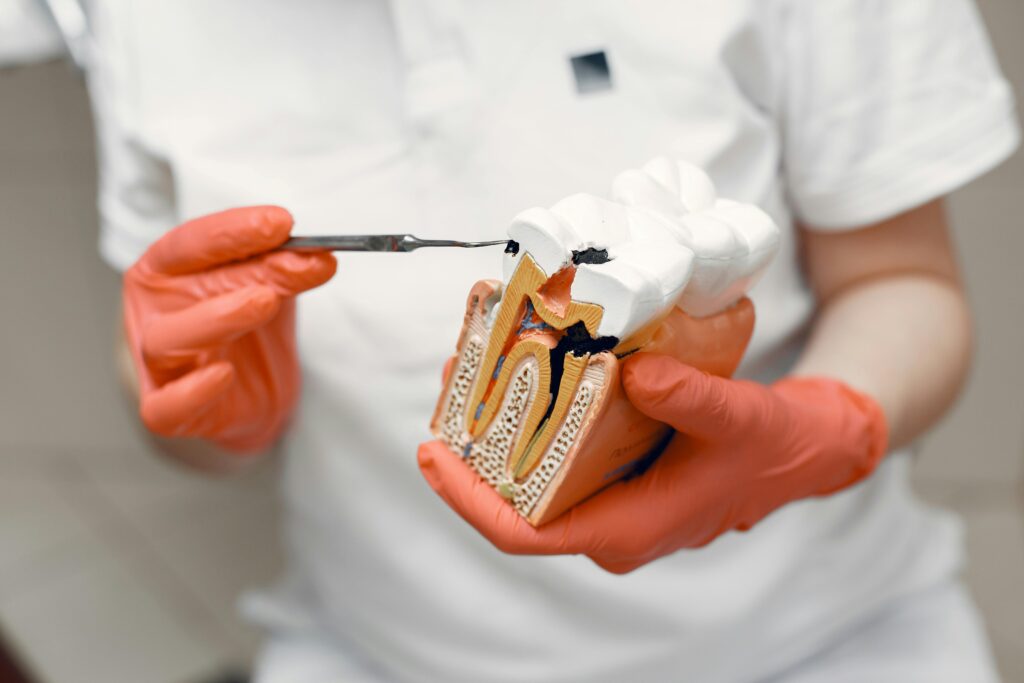
Root canal treatment (RCT) is a dental procedure used to treat infection at the center of a tooth (the pulp). The pulp contains nerves, blood vessels, and connective tissues, and when it becomes infected or inflamed, it can cause severe pain and lead to serious complications if left untreated.
Key Keywords:
- Root canal treatment
- RCT procedure
- Tooth pulp infection
- Endodontic treatment
Instead of removing the tooth, a root canal helps preserve your natural tooth structure while eliminating infection.
Why is Root Canal Treatment Needed?
A root canal is necessary when the inner pulp of the tooth becomes infected or damaged due to:
Common Causes:
- Deep tooth decay (cavities)
- Cracked or chipped teeth
- Repeated dental procedures on the same tooth
- Trauma or injury to the tooth
- Gum disease
If ignored, the infection can spread, leading to:
- Severe pain
- Swelling
- Abscess formation
- Bone loss around the tooth
Signs You May Need a Root Canal
Recognizing symptoms early can help you avoid complications. Here are the most common signs:
1. Persistent Tooth Pain
Pain that doesn’t go away or worsens when chewing is a major indicator.
2. Sensitivity to Hot and Cold
Lingering sensitivity even after the source is removed.
3. Swollen Gums
Tender, swollen, or darkened gums near the affected tooth.
4. Tooth Discoloration
A darkened tooth may indicate pulp damage.
5. Pimple on the Gums
This could be a dental abscess releasing pus.
6. Pain When Chewing
Pressure sensitivity is a strong warning sign.
SEO Keywords:
- symptoms of root canal infection
- tooth pain treatment
- signs you need a root canal
Step-by-Step Root Canal Procedure
Understanding the procedure helps reduce anxiety. Here’s what typically happens:
Step 1: Diagnosis and X-ray
Your dentist takes an X-ray to assess the infection and plan the treatment.
Step 2: Local Anesthesia
The area is numbed to ensure a painless experience.
Step 3: Access Opening
A small opening is made in the tooth to reach the infected pulp.
Step 4: Cleaning the Canal
The infected pulp is removed, and the canals are cleaned and disinfected.
Step 5: Filling the Canal
The cleaned space is filled with a biocompatible material.
Step 6: Sealing the Tooth
The tooth is sealed to prevent reinfection.
Step 7: Crown Placement
In most cases, a crown is placed to restore strength and function.
Is Root Canal Treatment Painful?
One of the biggest myths is that root canals are extremely painful. In reality:
- Modern techniques make the procedure virtually painless
- It feels similar to getting a dental filling
- Local anesthesia ensures comfort throughout
Keywords:
- painless root canal treatment
- does root canal hurt
- pain-free dental procedures
Benefits of Root Canal Treatment
Choosing a root canal over extraction has several advantages:
1. Saves Natural Tooth
Preserves your original tooth structure.
2. Prevents Infection Spread
Stops bacteria from spreading to other teeth.
3. Restores Function
Allows normal chewing and biting.
4. Improves Oral Health
Maintains alignment and jaw structure.
5. Cost-Effective in Long Term
Avoids expensive replacements like implants.
Root Canal vs Tooth Extraction
| Feature | Root Canal | Tooth Extraction |
|---|---|---|
| Tooth Preservation | Yes | No |
| Recovery Time | Short | Longer |
| Cost (Long-Term) | Lower | Higher (replacement needed) |
| Aesthetics | Natural | Artificial replacement required |
How Long Does a Root Canal Take?
- Typically completed in 1 to 2 visits
- Each session lasts about 60–90 minutes
- Complex cases may require additional visits
Root Canal Cost in India
The cost varies depending on several factors:
Average Cost:
- Front tooth: ₹2,000 – ₹5,000
- Premolars: ₹3,000 – ₹7,000
- Molars: ₹5,000 – ₹12,000
Factors Affecting Cost:
- Tooth location
- Severity of infection
- Dentist’s expertise
- Clinic location
- Crown type
Keywords:
- root canal cost in India
- affordable RCT treatment
- dental treatment price
Aftercare Tips for Root Canal Treatment
Proper aftercare ensures long-term success:
Do’s:
- Brush twice daily
- Use prescribed medications
- Eat soft foods initially
- Maintain oral hygiene
Don’ts:
- Avoid chewing on treated tooth until crown is placed
- Avoid hard or sticky foods
- Don’t skip follow-up appointments
What to Expect After the Procedure?
- Mild discomfort for a few days
- Sensitivity may persist temporarily
- Pain can be managed with medication
If severe pain or swelling occurs, consult your dentist immediately.
How Long Does a Root Canal Last?
With proper care, a root canal-treated tooth can last:
- 10–15 years or even a lifetime
Maintaining good oral hygiene is key.
Are There Any Risks?
Root canal treatments are generally safe, but rare complications include:
- Reinfection
- Incomplete cleaning
- Cracked tooth
Choosing an experienced dentist minimizes these risks.
Preventing the Need for Root Canal Treatment
Prevention is always better than cure:
Tips:
- Brush and floss daily
- Visit dentist regularly
- Avoid excessive sugar intake
- Treat cavities early
- Use protective gear during sports
Myths About Root Canal Treatment
Myth 1: Root Canals Are Painful
Truth: Modern procedures are painless.
Myth 2: Extraction is Better
Truth: Saving your natural tooth is always preferred.
Myth 3: Root Canal Causes Illness
Truth: No scientific evidence supports this claim.
When Should You See a Dentist?
Seek immediate dental care if you experience:
- Severe tooth pain
- Swelling in gums
- Persistent sensitivity
- Pus discharge
Early treatment can save your tooth and reduce costs.
Why Choose Professional Dental Care?
Getting treatment from a qualified dental professional ensures:
- Accurate diagnosis
- Safe procedure
- Long-lasting results
- Advanced technology use
SEO Keywords Used in This Article
- Root canal treatment
- RCT procedure
- Tooth infection treatment
- Root canal cost in India
- Painless root canal
- Symptoms of root canal infection
- Dental care tips
- Tooth pain relief
- Endodontic treatment
Conclusion
Root canal treatment is a highly effective and safe procedure that can save your natural tooth and relieve severe pain caused by infection. With advancements in modern dentistry, the process is now painless, quick, and reliable.
If you are experiencing any symptoms of tooth infection, don’t delay treatment—early intervention can prevent complications and help maintain your oral health.
👉 Book your consultation today through our website: https://drjsdentalclinic.com/
For more information on oral health and dental care guidelines, you can also visit the official website of the World Health Organization (WHO): https://www.who.int/
Discover more about our advanced treatments such as Dental Implants, Root Canal Treatment (RCT), Teeth Whitening, Crowns & Bridges, and Braces & Aligners to achieve a healthier, brighter, and more confident smile.
For additional information about oral health and dental procedures, you may also visit the official Indian Dental Association (IDA) website.