
Dental Bridges in Gurgaon: A Complete Guide to Restoring Missing Teeth
Missing teeth can affect more than just your appearance. They can impact your ability to chew, speak clearly, and maintain proper oral health. Whether you have lost a tooth due to decay, injury, gum disease, or other dental conditions, replacing it promptly is important. One of the most effective and time-tested solutions is a dental bridge.
If you are searching for dental bridges in Gurgaon, understanding the treatment process, benefits, and available options can help you make an informed decision. Modern dental bridges are designed to restore both function and aesthetics, allowing patients to regain confidence in their smiles.
What Is a Dental Bridge?
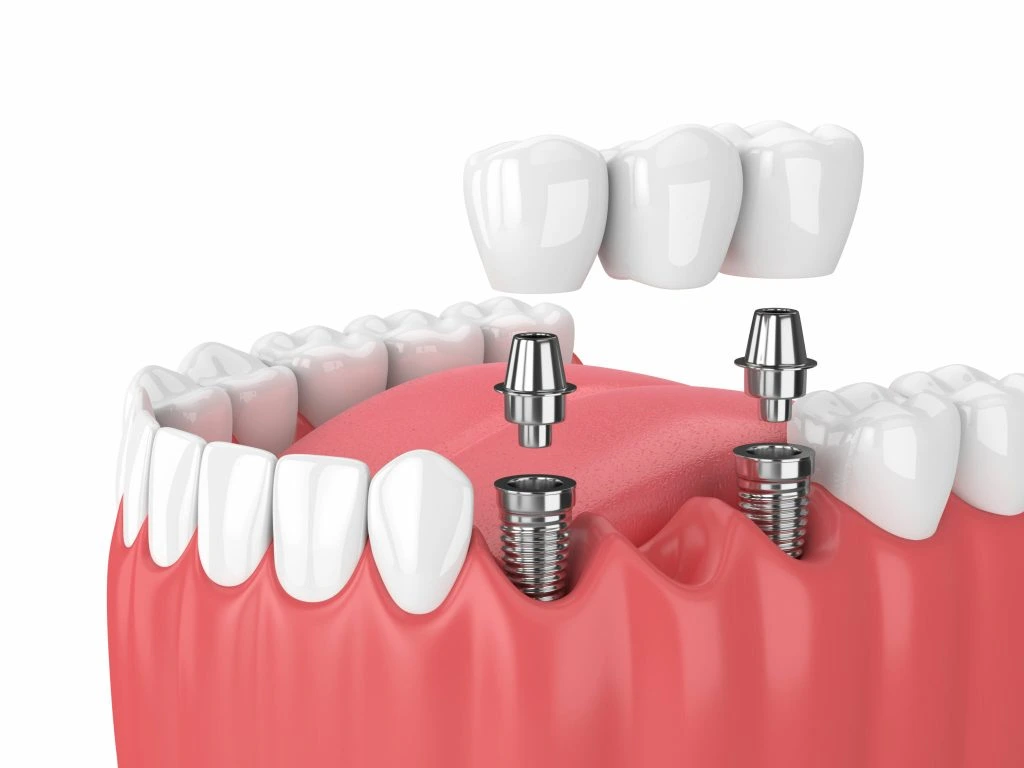
A dental bridge is a fixed dental restoration used to replace one or more missing teeth. As the name suggests, it literally “bridges” the gap created by missing teeth.
A dental bridge consists of:
- One or more artificial teeth called pontics
- Supporting crowns attached to adjacent teeth or dental implants
The bridge fills the empty space and restores your smile while maintaining the alignment of surrounding teeth.
Why Is It Important to Replace Missing Teeth?
Many people believe that losing a single tooth is not a major issue. However, untreated tooth loss can lead to several complications.
Shifting Teeth
When a tooth is missing, neighboring teeth tend to drift into the empty space, causing misalignment.
Bite Problems
Changes in tooth position can affect your bite and lead to uneven chewing forces.
Bone Loss
The jawbone beneath a missing tooth may gradually shrink over time.
Difficulty Chewing
Missing teeth can make eating certain foods uncomfortable.
Speech Issues
Tooth loss can affect pronunciation and speech clarity.
Reduced Confidence
Many individuals feel self-conscious about gaps in their smiles.
Dental bridges help prevent these issues while restoring normal function.
Who Can Benefit from Dental Bridges in Gurgaon?
You may be an ideal candidate for a dental bridge if you:
- Have one or more missing teeth
- Have healthy adjacent teeth
- Want a fixed tooth replacement solution
- Are looking for a cost-effective alternative to implants
- Have good oral hygiene habits
- Have sufficient support for bridge placement
A dental consultation is necessary to determine the most suitable treatment option.
Types of Dental Bridges
There are several types of dental bridges available today.
Traditional Dental Bridges
This is the most common type of bridge.
It involves placing crowns on the teeth adjacent to the missing tooth, which support the artificial tooth in between.
Advantages
- Strong and durable
- Effective for most cases
- Long-lasting solution
Cantilever Bridges
Cantilever bridges are used when only one adjacent tooth is available for support.
Advantages
- Useful in specific situations
- Fixed and comfortable
Maryland Bridges
These bridges use metal or porcelain wings bonded to the backs of adjacent teeth.
Advantages
- Conservative treatment
- Minimal tooth preparation
Implant-Supported Bridges
Instead of natural teeth, dental implants support the bridge.
Advantages
- Exceptional stability
- Prevents bone loss
- Long-term solution
Benefits of Dental Bridges
Patients choosing dental bridges in Gurgaon enjoy numerous benefits.
Restores Your Smile
Dental bridges fill gaps and create a natural-looking smile.
Improves Chewing Ability
You can enjoy a wider variety of foods without discomfort.
Enhances Speech
Replacing missing teeth often improves pronunciation and speech clarity.
Maintains Facial Structure
Bridges help support facial muscles and prevent a sunken appearance.
Prevents Tooth Movement
Neighboring teeth remain properly aligned.
Durable and Reliable
With proper care, bridges can last many years.
Natural Appearance
Modern materials closely mimic natural teeth.
The Dental Bridge Procedure
Understanding the treatment process can help reduce anxiety and improve confidence.
Step 1: Consultation and Examination
Your dentist evaluates:
- Oral health
- Missing teeth
- Gum condition
- Bone support
- Bite alignment
Digital X-rays may be taken for detailed assessment.
Step 2: Treatment Planning
A customized treatment plan is developed based on your needs.
Step 3: Tooth Preparation
For traditional bridges, the supporting teeth are carefully reshaped.
Step 4: Impressions or Digital Scans
Precise impressions are taken to create a custom bridge.
Step 5: Temporary Bridge
A temporary bridge may be placed while the final restoration is being fabricated.
Step 6: Final Placement
The permanent bridge is checked for:
- Fit
- Appearance
- Bite alignment
Once approved, it is permanently cemented.
Materials Used for Dental Bridges
The quality of materials influences durability and appearance.
Porcelain Bridges
Porcelain offers highly aesthetic results and blends naturally with teeth.
Zirconia Bridges
Zirconia is known for superior strength and durability.
Porcelain-Fused-to-Metal Bridges
These bridges combine aesthetics with structural strength.
Metal Bridges
Although less common for visible areas, metal bridges offer excellent longevity.
How Long Do Dental Bridges Last?
The lifespan of a dental bridge depends on several factors.
Most bridges last between:
- 10 to 15 years
- Sometimes longer with proper care
Factors affecting longevity include:
- Oral hygiene
- Material quality
- Regular dental visits
- Teeth grinding habits
- Overall oral health
Caring for Your Dental Bridge
Proper maintenance helps maximize the lifespan of your restoration.
Brush Twice Daily
Use fluoride toothpaste and a soft-bristled toothbrush.
Floss Under the Bridge
Special floss threaders can help clean beneath the bridge.
Maintain Healthy Gums
Healthy gums provide essential support.
Avoid Hard Foods
Limit habits such as chewing ice and biting hard objects.
Visit Your Dentist Regularly
Routine examinations help identify issues early.
Dental Bridges vs Dental Implants
Many patients compare bridges and implants before making a decision.
Dental Bridges
Advantages:
- Faster treatment
- Lower initial cost
- No surgery required
Limitations:
- Adjacent teeth may require preparation
- Does not prevent bone loss
Dental Implants
Advantages:
- Independent tooth replacement
- Preserves jawbone
- Long-term durability
Limitations:
- Higher initial investment
- Requires surgery
- Longer treatment duration
Your dentist can help determine which option best suits your needs.
Signs You May Need a New Bridge
Over time, a bridge may require replacement.
Common signs include:
- Looseness
- Damage or fractures
- Discomfort while chewing
- Gum irritation
- Visible wear
- Changes in bite
Regular checkups help detect problems before they become serious.
Why Choose Dental Bridges in Gurgaon?
Gurgaon is home to modern dental clinics equipped with advanced technology and experienced professionals.
Patients benefit from:
- Personalized treatment plans
- High-quality materials
- Advanced digital dentistry
- Comfortable treatment experience
- Comprehensive restorative care
Modern techniques ensure better accuracy, aesthetics, and long-term success.
Common Myths About Dental Bridges
Myth 1: Bridges Look Fake
Modern bridges are designed to resemble natural teeth closely.
Myth 2: Bridges Are Difficult to Maintain
With proper oral hygiene, maintenance is straightforward.
Myth 3: Bridges Are Only Cosmetic
Bridges restore function, bite alignment, and oral health.
Myth 4: Missing One Tooth Doesn’t Matter
Even a single missing tooth can affect oral health and alignment.
Cost Factors for Dental Bridges
Several factors influence treatment costs:
- Type of bridge
- Number of missing teeth
- Materials used
- Complexity of treatment
- Supporting restorations required
A consultation provides an accurate estimate based on individual needs.
The Importance of Early Treatment
Replacing missing teeth early offers several advantages:
- Prevents shifting teeth
- Preserves bite alignment
- Improves chewing function
- Enhances aesthetics
- Reduces future dental complications
Delaying treatment can lead to more complex restorative needs.
Consulting an experienced dentist can help you determine the most appropriate treatment plan and ensure long-lasting results.
Frequently Asked Questions (FAQs)
1. What is a dental bridge?
A dental bridge is a fixed restoration that replaces one or more missing teeth by bridging the gap between healthy teeth or implants.
2. How long does a dental bridge last?
Most dental bridges last between 10 and 15 years, and often longer with proper care.
3. Is getting a dental bridge painful?
The procedure is generally comfortable and performed under local anesthesia.
4. Can I eat normally with a dental bridge?
Yes. Once adjusted, a bridge restores chewing efficiency and comfort.
5. How do I clean under a dental bridge?
Special floss threaders and interdental brushes are commonly recommended.
6. Are dental bridges better than dentures?
Bridges are fixed restorations and often provide greater stability than removable dentures.
7. Can a bridge replace multiple missing teeth?
Yes. Bridges can replace one or several adjacent missing teeth.
8. How do I know if I need a bridge or implant?
A dental evaluation will help determine the most suitable treatment based on your oral health, bone support, and goals.
Conclusion
Choosing dental bridges in Gurgaon is an effective way to restore missing teeth, improve oral function, and enhance your smile. Whether you are missing one tooth or multiple teeth, dental bridges provide a reliable and aesthetically pleasing solution. With advancements in dental materials and techniques, today’s bridges are stronger, more comfortable, and more natural-looking than ever before.
For trusted oral healthcare information and professional dental guidelines, patients can refer to the resources provided by the Indian Dental Association (IDA).
Explore our comprehensive Crowns & Bridges Treatment in Gurgaon to restore damaged teeth, replace missing teeth, and achieve a healthier, more confident smile.