
Tooth Extraction Treatment: Safe Removal of Damaged Teeth
Tooth pain can seriously affect your daily life, making it difficult to eat, speak, or even sleep comfortably. While dentists always try to save natural teeth whenever possible, there are situations where removing a tooth becomes the best solution for protecting overall oral health. Tooth extraction treatment is a common dental procedure performed to remove severely damaged, infected, or problematic teeth safely and effectively.
Modern dentistry has made tooth extractions much more comfortable and minimally invasive than people imagine. With advanced technology, anesthesia, and expert care, patients can undergo extraction procedures with minimal discomfort and faster recovery.
In this detailed guide, we will explain everything you need to know about tooth extraction treatment, including reasons for extraction, procedure types, benefits, recovery tips, and aftercare instructions.
What Is Tooth Extraction?
Tooth extraction is the process of removing a tooth from its socket in the jawbone. Dentists usually recommend extraction only when a tooth cannot be repaired using treatments such as fillings, crowns, or root canal therapy.
The procedure may involve removing:
- Severely decayed teeth
- Broken or fractured teeth
- Impacted wisdom teeth
- Infected teeth
- Loose teeth due to gum disease
- Extra teeth causing overcrowding
Tooth extraction helps eliminate pain, prevent infection spread, and improve oral health.
Common Reasons for Tooth Extraction
There are several situations where tooth extraction becomes necessary.
Severe Tooth Decay
When cavities become too deep and damage the tooth structure extensively, the tooth may not be restorable. Extraction prevents infection from spreading to nearby teeth and gums.
Advanced Gum Disease
Periodontal disease weakens the supporting bone and tissues around teeth. Severely loose teeth caused by gum disease may require removal.
Impacted Wisdom Teeth
Wisdom teeth often fail to erupt properly due to lack of space in the jaw. Impacted wisdom teeth can cause pain, swelling, infection, and crowding.
Tooth Infection
A severely infected tooth that cannot be treated with root canal therapy may require extraction to stop the infection from spreading.
Broken Teeth
Teeth fractured below the gum line are often difficult to repair and may need extraction.
Orthodontic Treatment
Sometimes healthy teeth are removed to create space for braces and proper alignment.
Trauma or Injury
Accidents and facial injuries may damage teeth beyond repair, making extraction necessary.
Types of Tooth Extraction Procedures
There are mainly two types of tooth extraction procedures.
Simple Extraction
Simple extraction is performed on visible teeth that can be easily removed. The dentist loosens the tooth using specialized instruments and gently extracts it.
This procedure is usually quick and performed under local anesthesia.
Surgical Extraction
Surgical extraction is required for teeth that are impacted, broken, or not fully erupted. The dentist may need to make a small incision in the gums to remove the tooth safely.
Wisdom tooth removal often falls under surgical extraction.
Signs You May Need a Tooth Extraction
Certain symptoms may indicate the need for extraction.
Persistent Tooth Pain
Continuous pain may suggest severe decay or infection.
Swollen Gums
Swelling around a tooth can indicate infection or impacted teeth.
Difficulty Chewing
Pain while eating may mean the tooth structure is compromised.
Loose Teeth
Teeth becoming loose due to gum disease may need removal.
Jaw Pain or Pressure
Impacted wisdom teeth often cause pressure and discomfort in the jaw.
If you experience these symptoms, consulting a dentist early can prevent complications.
Tooth Extraction Procedure Step by Step
Understanding the extraction process helps reduce fear and anxiety.
Step 1: Dental Examination
The dentist examines your teeth and takes X-rays to evaluate the tooth and surrounding bone.
Step 2: Anesthesia
Local anesthesia is administered to numb the area completely and ensure a painless procedure.
Step 3: Tooth Removal
For simple extraction, the tooth is loosened and removed carefully. Surgical extraction may involve gum incision and sectioning of the tooth.
Step 4: Cleaning the Socket
The area is cleaned thoroughly to remove debris and prevent infection.
Step 5: Stitching if Needed
In surgical extractions, stitches may be placed to help healing.
Step 6: Gauze Placement
A gauze pad is placed over the extraction site to control bleeding and promote clot formation.
Is Tooth Extraction Painful?
One of the biggest fears patients have is pain during extraction. However, modern dental techniques make the procedure comfortable and stress-free.
Local anesthesia numbs the area completely, so patients usually feel pressure rather than pain. Mild soreness after the procedure is normal and manageable with medications prescribed by the dentist.
Recovery After Tooth Extraction
Healing after tooth extraction usually takes a few days to a couple of weeks depending on the complexity of the procedure.
First 24 Hours After Extraction
The first day is important for proper clot formation and healing.
Patients should:
- Bite gently on gauze
- Rest adequately
- Avoid spitting or rinsing forcefully
- Avoid smoking and alcohol
- Eat soft foods
Foods to Eat After Extraction
Soft foods help avoid irritation during recovery.
Recommended foods include:
- Yogurt
- Soup
- Mashed potatoes
- Smoothies
- Soft rice
- Oatmeal
Foods to Avoid
Avoid:
- Hard foods
- Spicy foods
- Crunchy snacks
- Hot beverages
- Carbonated drinks
Aftercare Tips for Faster Healing
Proper aftercare is essential for smooth recovery.
Maintain Oral Hygiene
Keep the mouth clean but avoid brushing directly over the extraction area initially.
Avoid Smoking
Smoking delays healing and increases the risk of complications like dry socket.
Use Ice Packs
Applying ice externally helps reduce swelling.
Take Medications Properly
Follow your dentist’s prescription instructions carefully.
Stay Hydrated
Drink plenty of water but avoid using straws.
Possible Complications After Tooth Extraction
Although extractions are generally safe, some complications may occur.
Dry Socket
This happens when the blood clot dislodges prematurely, exposing the bone and causing severe pain.
Infection
Improper oral hygiene can lead to infection at the extraction site.
Swelling and Bleeding
Mild swelling and bleeding are common initially but should reduce gradually.
Nerve Injury
Rarely, nerve damage may occur during difficult extractions, especially wisdom teeth removal.
Prompt dental care helps manage these complications effectively.
Wisdom Tooth Extraction
Wisdom teeth are the last molars that usually erupt during late teenage years or early adulthood. Many people do not have enough space in the jaw for proper eruption.
Impacted wisdom teeth may cause:
- Pain
- Swelling
- Infection
- Crowding
- Damage to nearby teeth
Wisdom tooth extraction is one of the most common oral surgical procedures performed today.
Tooth Replacement Options After Extraction
If a permanent tooth is extracted, replacing it is important to maintain oral function and appearance.
Dental Implants
Dental implants provide a permanent and natural-looking replacement option.
Dental Bridges
Bridges replace missing teeth by using support from adjacent teeth.
Dentures
Partial or complete dentures can restore multiple missing teeth.
Your dentist can recommend the best replacement option based on your oral condition.
Benefits of Timely Tooth Extraction
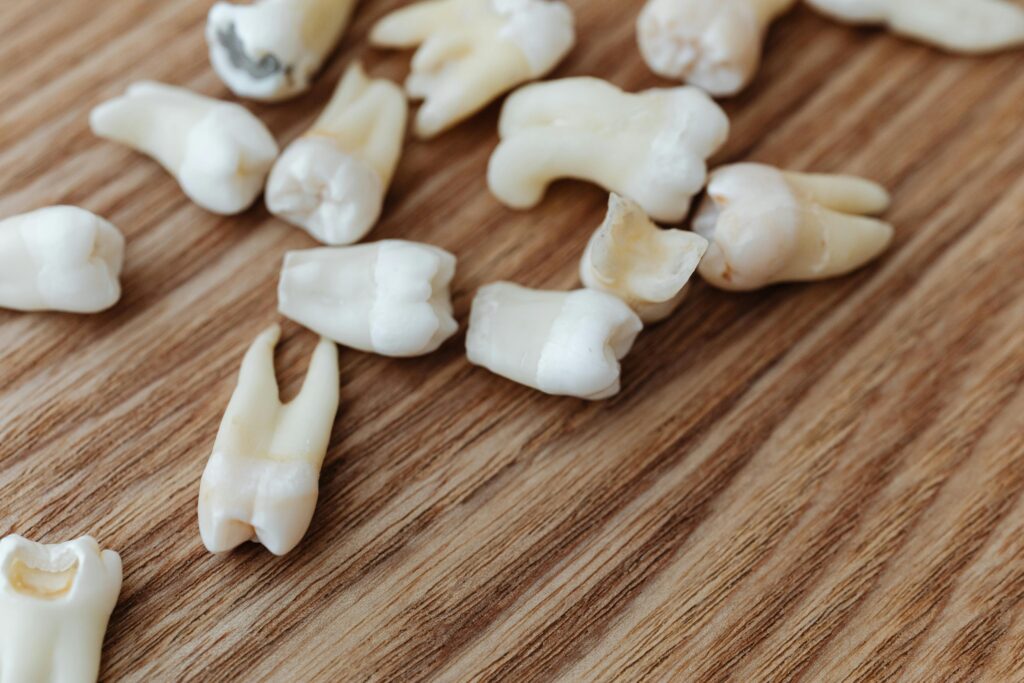
Removing problematic teeth at the right time offers several benefits.
Relieves Pain
Extraction eliminates persistent toothache and discomfort.
Prevents Infection Spread
Removing infected teeth protects surrounding teeth and gums.
Improves Oral Health
Extraction helps maintain healthy gums and jaw structures.
Prevents Crowding
Removing extra or impacted teeth improves alignment and orthodontic outcomes.
Enhances Comfort
Patients experience better chewing and overall comfort after healing.
How Much Does Tooth Extraction Cost?
The cost of tooth extraction depends on:
- Type of extraction
- Complexity of the case
- Tooth position
- Surgical requirements
- Clinic location
Simple extractions are generally more affordable than surgical or wisdom tooth extractions.
How to Prevent Tooth Extraction
Good oral care can reduce the risk of tooth loss.
Brush and Floss Daily
Proper oral hygiene helps prevent cavities and gum disease.
Visit the Dentist Regularly
Routine checkups allow early detection of dental problems.
Avoid Sugary Foods
Limiting sugar intake protects teeth from decay.
Wear Mouthguards
Protective mouthguards help prevent sports-related injuries.
Treat Dental Issues Early
Timely treatment can save teeth before extraction becomes necessary.
Conclusion
Tooth extraction treatment is a safe and effective procedure used to remove damaged, infected, or problematic teeth. Thanks to modern dental advancements, extractions are now more comfortable, precise, and recovery-friendly than ever before.
Whether it is a severely decayed tooth, impacted wisdom tooth, or orthodontic requirement, timely extraction can protect your oral health and prevent serious complications. Consulting an experienced dental professional ensures proper diagnosis, painless treatment, and faster healing.
If you are experiencing tooth pain or dental discomfort, seeking professional dental care early can help you maintain a healthy and confident smile.
Discover more about our advanced treatments such as Dental Implants, Root Canal Treatment (RCT), Teeth Whitening, Crowns & Bridges, and Braces & Aligners to achieve a healthier, brighter, and more confident smile.
For additional information about oral health and dental procedures, you may also visit the official Indian Dental Association (IDA) website.